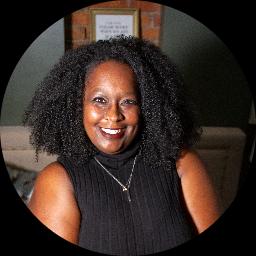
Therapist profile
Ranada Dalton, LMHC, LPC
Indiana
Licensed counselor - relationships and anger
Continue with RanadaKey details
- CredentialsLMHC, LPC
- LicenseLMHC, Indiana / 39003303A; LPC, Georgia / LPC012794
- NPI1255825550
- Experience19 years
- LanguagesEnglish
- LocationIndiana
About
- CBT techniques
- Emotion-focused work
- Gottman approach
About Ranada
Ranada Dalton is a licensed mental health counselor (LMHC) and licensed professional counselor (LPC) practicing in Indiana with 19 years of experience. She works with adults on relationship struggles, anger, stress, anxiety, grief, parenting concerns, and life changes. Sessions are offered in English and international clients are accepted.
Ranada draws on client-centered ideas to keep conversations focused on what matters most to each person. She mixes Cognitive Behavioral Therapy (CBT) with Emotionally-Focused Therapy and motivational interviewing techniques to address how thoughts, feelings, and interaction patterns affect daily life. That combination is often used with relationship problems, communication issues, and recurring anger.
In practical terms she helps people notice unhelpful thought patterns, try different responses, and practice new ways of relating. She also uses elements of the Gottman Method and narrative therapy when looking at long-standing relationship cycles and family patterns. Sessions include direct conversations, guided questions, and concrete strategies to test between appointments.
Ranada has experience with trauma and sexual concerns, depression, bipolar disorder, ADHD, and burnout related to caregiver or professional roles. She also supports people facing blended family issues, separation or divorce, and the stress of major life transitions. Her background includes a BS in Psychology and an MA in Marriage and Family Therapy.
Practical matters are handled simply. Cost varies by location and sessions use a subscription that can be canceled at any time. To begin, select the See online therapy options button, complete a short matching questionnaire, and schedule a first session.
How sessions work
How her approaches translate to online work
Client-Centered Therapy focuses on open conversation and listening. In practice this means sessions start with the client's priorities and the therapist follows the client's lead to clarify concerns and goals. Cognitive Behavioral Therapy (CBT) breaks problems into thoughts, feelings, and actions. Sessions include practical exercises to spot thought patterns and try new responses between meetings. Emotionally-Focused Therapy helps people understand and shift emotional responses in relationships by identifying core emotions and testing new ways of interacting.Choosing the right approach is a collaborative process. The therapist will discuss which methods fit the client's needs, preferences, and goals, and adjust techniques as work progresses. That conversation guides whether CBT tools, emotion-focused work, or Gottman-informed strategies are emphasized.
The biography does not list specific session formats, so confirm current options before booking. Online sessions can make it easier to fit therapy around work, caregiving, or travel. They also let people use shorter check-ins or avoid being on camera when that helps. Licensed professionals can shape sessions to be practical and goal-oriented so the work integrates into day-to-day life rather than requiring large schedule changes.
Areas of focus
Areas of expertise
Primary focus
Also works with
Additional focus areas
Therapeutic approaches
Experience
19+ years
Listed in
Indiana, Georgia
Languages
English
Questions
Frequently asked questions
What kinds of concerns does she address?
She works with relationship problems, anger, stress, anxiety, grief, parenting challenges, and life changes among other concerns.
What is her therapeutic style?
Her approach is client-centered and practical, combining CBT, Emotionally-Focused Therapy, motivational interviewing, and elements of the Gottman Method and narrative therapy.
How much clinical experience does she have?
She has 19 years of experience working with adults on relationship, trauma, mood, and life transition issues.
What are her credentials and location?
She holds LMHC and LPC credentials and is based in Indiana.
Which languages are supported and can international clients join?
Sessions are offered in English and international clients are accepted.
What session formats are available?
The original biography does not specify session formats; confirm current session options before booking.
How much do sessions cost?
Cost varies with location and sessions use a subscription model that can be canceled at any time.
How do I start working with her?
Select the See online therapy options button, complete a short matching questionnaire, and schedule a first session.
Details come from information the therapist supplied to BetterHelp. A license can be checked with the state board.
Online talk therapy is not emergency care. If anyone is unsafe, use the crisis numbers.