Key details
- CredentialsLCSW
- LicenseLCSW, California / 91857
- NPI1134762305
- Experience14 years
- LanguagesEnglish
- LocationCalifornia
About
- ACT techniques
- EFT for relationships
- Trauma-focused care
About Polly
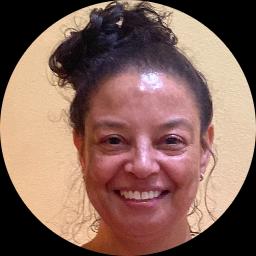
Polly Parks is a Licensed Clinical Social Worker (LCSW) in California with 14 years of clinical experience. She works with people dealing with depression, anxiety, grief, anger, and issues that arise for LGBTQ2+ individuals. Polly also brings experience supporting those affected by trauma and community violence.
Her background includes work with students and professionals after the Saugus High School shooting in 2019. She is a member of the National Association of Social Workers and the World Professional Association for Transgender Health. Polly has completed the California Board of Behavioral Sciences required telehealth training course and has long personal experience in recovery from alcohol, which informs how she talks about addiction and relapse.
In sessions she uses Acceptance and Commitment Therapy (ACT) to help people clarify values and take practical steps toward them. She also uses Client-Centered Therapy to prioritize the person's perspective and Emotionally-Focused Therapy to help identify and shift patterns in relationships. Trauma-Focused Therapy informs her work when past events are getting in the way of daily life.
Polly often addresses anger by helping clients notice what comes up physically and emotionally before it builds, and then practises small, specific strategies to change how they respond. She discusses grief, shame, sexual and gender concerns, and process addictions in straightforward language. Her approach is collaborative and aimed at things clients can try between sessions.
Sessions are scheduled mainly in the afternoons, evenings, and on weekends; she notes she will not conduct sessions while a client is driving. To start, people use the online process to complete a short questionnaire and book a first appointment.
How sessions work
How her approaches translate to online sessions
Polly draws on Acceptance and Commitment Therapy to help people clarify what matters to them and take behavioral steps even when emotions are strong. ACT is useful for anger that leaves someone stuck or acting on impulse because it focuses on small, values-driven actions alongside noticing thoughts and feelings.She also uses Emotionally-Focused Therapy to map interaction patterns and the feelings that drive them. EFT can help when anger shows up in relationships or when people repeat the same reactive cycle and want different results.
Finding the right approach is part of the work. Polly will collaborate with each person to pick methods that fit their goals, life situation, and comfort level. That means trying an approach and adjusting it as needed rather than locking into one method from the start.
The biography confirms completion of required telehealth training but does not list specific session formats here, so confirm the platform's current options before booking. Online sessions can make it easier to fit appointments into busy schedules, allow a shorter check-in when time is tight, and reduce travel time. They also make it possible to continue work between appointments when people are balancing recovery, job demands, or caregiving duties.
Areas of focus
Areas of expertise
Primary focus
Additional focus areas
Therapeutic approaches
Experience
14+ years
Listed in
California
Languages
English
Questions
Frequently asked questions
What kinds of anger issues does she address?
She works with people who snap at loved ones, carry workplace frustration, hold long-term resentment, or are affected by someone else's anger. Anger is listed alongside grief, trauma, and LGBT concerns.
What is her therapeutic style like?
Polly uses Acceptance and Commitment Therapy, Client-Centered Therapy, Emotionally-Focused Therapy, and Trauma-Focused Therapy in plain, practical ways. Sessions focus on noticing patterns and trying concrete strategies between meetings.
How much clinical experience does she have?
She has 14 years of professional therapeutic work experience, including post-incident support after the Saugus High School shooting in 2019. That background informs her work with trauma and community crisis.
What are her credentials and where is she based?
She is a Licensed Clinical Social Worker, LCSW, licensed in California. Her practice is located in California.
Can I see her if I live outside the United States?
Sessions are offered in English and she does not accept international clients. Please confirm any cross-border concerns before booking.
Which session formats are available?
The biography notes completion of the California BBS telehealth training course but does not list specific session formats. Confirm current session options before booking.
How are sessions priced?
Cost varies with location and sessions use a subscription model that can be canceled at any time. Check the platform for the current subscription details and regional pricing.
What steps do I take to begin working with her?
Select the See online therapy options button, complete a short matching questionnaire, and schedule your first session through the booking process.
Details come from information the therapist supplied to BetterHelp. A license can be checked with the state board.
Online talk therapy is not emergency care. If anyone is unsafe, use the crisis numbers.