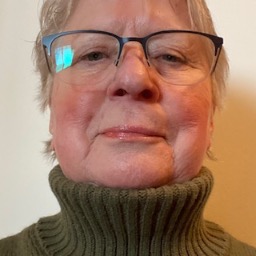
Therapist profile
Mary Gales-Wenz, LICSW
Minnesota
LICSW - Anger and Trauma-focused work
Continue with MaryKey details
- CredentialsLICSW
- LicenseLICSW, Minnesota / 4518
- NPI1023166659
- Experience40 years
- LanguagesEnglish
- LocationMinnesota
About
- Client-Centered approach
- Cognitive skills focus
- Mindfulness practice
About Mary
Mary Gales-Wenz is a Licensed Independent Clinical Social Worker (LICSW) in Minnesota with 40 years of practice. She works with adults on issues such as stress, anxiety, addiction, grief, depression, sleep problems, anger, self-esteem, and career concerns. She also addresses trauma, bipolar mood concerns, compassion fatigue, and life transitions.
Her work history includes long-term roles in Veterans Affairs outpatient and inpatient settings in St. Cloud and Minneapolis. She spent two decades there and later provided mental health services at Hazelden Center for Youth and Families and Allina Behavioral Health Clinics. She has also supervised residential treatment for the Department of Corrections and worked in behavioral healthcare management for a Minnesota insurance company.
Mary has treated adults, seniors, and adolescents in settings focused on chemical dependency and mental health. That experience includes helping people with post-traumatic stress, anxiety, sexual and physical trauma, depression, and substance-related problems. She maintains a small private practice since 2009 and keeps up with current research and treatment ideas.
Her approach blends conversational, practical work with therapies that focus on feelings, behavior, and awareness of bodily experience. She uses Client-Centered methods alongside cognitive and skills-based techniques. She also incorporates mindfulness and emotionally-focused perspectives to help clients notice patterns and try different responses.
Mary takes particular interest in the mind-body connection and in approaches that help people understand how emotions, thoughts, and physical reactions link together. She has training in Accelerated Resolution Therapy and uses this alongside other methods to help people process difficult memories and recurring reactions.
How sessions work
How Mary combines practical approaches for online work
Client-Centered Therapy focuses on listening and responding to what matters most to the person. The therapist’s role is to reflect concerns, clarify goals, and offer feedback so clients can try different responses to anger, stress, or grief.Cognitive Behavioral Therapy (CBT) helps people notice how thoughts, feelings, and behaviors interact. It teaches concrete skills for changing unhelpful thinking and for practicing new behaviors that reduce reactivity and low mood.
Dialectical Behavior Therapy (DBT) provides skills for emotion regulation, distress tolerance, and interpersonal effectiveness. It is useful when strong emotions or repeated conflicts make daily life harder.
Finding the right approach is part of the work. Mary will discuss what fits the client's needs, goals, and preferences and will adjust methods as therapy proceeds. That collaborative planning helps focus sessions on practical change rather than on labels.
The biography does not list specific online formats, so confirm which session types are offered before booking. In general, online sessions can make it easier to fit therapy into a workday, reduce travel time, or use a shorter phone check-in when needed. Talk with the therapist or scheduling team about format options and what will best fit everyday life.
Areas of focus
Areas of expertise
Also works with
Additional focus areas
Therapeutic approaches
Experience
40+ years
Listed in
Minnesota
Languages
English
Questions
Frequently asked questions
What kinds of problems does she address?
She works with stress, anxiety, addictions, trauma and abuse, grief, depression, anger, sleep difficulties, self-esteem and career concerns, among other issues.
What is her therapeutic style like?
She combines Client-Centered listening with cognitive and skills-based techniques, plus mindfulness and emotionally-focused elements.
How much experience does she have?
Mary has practiced for 40 years in a range of behavioral health settings, including long-term work with Veterans Affairs and community clinics.
What are her credentials and where does she practice?
She is a Licensed Independent Clinical Social Worker - MN LICSW - and practices in Minnesota.
Does she offer sessions in other languages or to international clients?
Sessions are offered in English. She does not accept international clients at this time.
What session formats are available?
The original profile does not specify session formats; confirm current session options before booking.
How are costs handled?
Cost varies with location and sessions use a subscription model that can be canceled at any time.
How do I begin working with her?
Select the See online therapy options button, complete a short matching questionnaire, and schedule your first session.
Details come from information the therapist supplied to BetterHelp. A license can be checked with the state board.
Online talk therapy is not emergency care. If anyone is unsafe, use the crisis numbers.