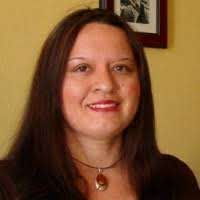
Therapist profile
Margarita Araiza-Johnston, LCSW
New Mexico
LCSW - Relationships and Anger
Continue with MargaritaKey details
- CredentialsLCSW
- LicenseLCSW, New Mexico / C-06992; LCSW, Hawaii / LCSW-4991; LCSW, Utah / 13322972-3501; LCSW, Oregon / L14477; LICSW, Washington / LW 61494715; LCSW, Arkansas / 13152-C; LCSW, California / 121394
- NPI1821232984
- Experience10 years
- LanguagesEnglish, Spanish
- LocationNew Mexico
About
About Margarita
Margarita Araiza-Johnston is a Licensed Clinical Social Worker (LCSW) with ten years of experience. She practices in New Mexico and speaks English and Spanish. Her work includes family and parenting concerns, depression, grief, anxiety, anger, relationship and intimacy issues, and career coaching.
She trained in social work after earning a BA in sociology and anthropology with a minor in French. She completed a Master of Social Work at Tulane University. Early roles included hospice social work and crisis and suicide counseling in Louisiana, which shaped her skills in assessment and crisis response.
Margarita has experience working with child abuse and neglect cases and with family systems. She also completed programs in mediation and family law mediation, which inform how she talks through conflict and decision points with people. Her background includes bilingual therapy and work supporting LGBTQ+ concerns.
In sessions she draws on approaches that focus on relationships, emotions, and practical problem solving. That means looking at how attachment patterns, thoughts, and emotional responses affect day-to-day life. She uses straightforward techniques to identify unhelpful patterns and try different ways of responding.
People come to her for help managing stress, coping with life changes, navigating separation or divorce, and addressing complicated grief or shame. She also works with concerns like codependency, communication problems, control issues, and compassion fatigue. Clients can expect clear discussion of goals and steps to try between sessions.
How sessions work
How her approaches translate to online work
Attachment-Based Therapy focuses on how early relationship patterns shape current reactions and connections. It helps when anger and conflict come from feeling misunderstood or disconnected, by looking at how people relate and respond.Cognitive Behavioral Therapy, or CBT, looks at the links between thoughts, feelings, and behaviors. It offers practical exercises to test unhelpful thoughts and try different responses when anger or anxiety arise.
Emotionally-Focused Therapy helps name and work with core emotions that drive actions in close relationships. It is useful when anger appears in conflicts about closeness, trust, or unmet emotional needs.
Finding the right approach is part of therapy. The therapist will work collaboratively to choose methods that fit the client's goals and preferences, and she will adjust the plan as those goals change.
Confirm current session options before booking to know what formats are offered. Online sessions can make it easier to fit conversations into a busy day, allow brief check-ins when time is tight, or remove travel time for appointments. Talk with the therapist when scheduling about practical needs like shorter check-ins or whether a camera is preferred.
Areas of focus
Areas of expertise
Primary focus
Also works with
Additional focus areas
Therapeutic approaches
Experience
10+ years
Listed in
New Mexico, Hawaii, Utah, Oregon, Washington, Arkansas, California
Languages
English, Spanish
Questions
Frequently asked questions
What types of concerns does she work with?
She works with family and parenting concerns, depression, anxiety, anger, grief, relationship and intimacy issues, self-esteem, career coaching, and related problems.
What is her therapeutic style?
She uses relationship-focused and practical approaches that examine emotions, attachment, and thinking patterns to change how problems play out day to day.
How much clinical experience does she have?
She has ten years of experience, including hospice social work and crisis and suicide counseling, plus roles involving child abuse and neglect and family systems work.
What credential and region is she licensed in?
She is a Licensed Clinical Social Worker (LCSW) with licensure noted as HI LCSW and CA LCSW, and she practices from New Mexico.
Which languages are supported in sessions?
Sessions are offered in English and Spanish.
Does she work with international clients?
International clients are not currently accepted.
How are costs handled for sessions?
Cost varies with location and sessions use a subscription that can be canceled at any time.
What are the steps to start working together?
Select the See online therapy options button, complete a short matching questionnaire, and schedule a first session.
Details come from information the therapist supplied to BetterHelp. A license can be checked with the state board.
Online talk therapy is not emergency care. If anyone is unsafe, use the crisis numbers.