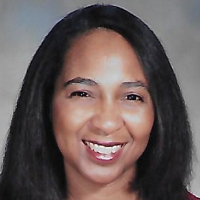
Therapist profile
Diavet Hoye, LMSW
Michigan
Licensed LMSW - Anger and Mood Concerns
Continue with DiavetKey details
- CredentialsLMSW
- LicenseLMSW, Michigan / 6801099471
- NPI1669826806
- Experience25 years
- LanguagesEnglish
- LocationMichigan
About
- Anger management tools
- CBT and ACT methods
- Grief and loss support
About Diavet
Diavet Hoye is a Licensed Master Social Worker, Michigan LMSW, with 25 years of clinical experience. She works with adults who are dealing with stress, anxiety, anger, low self-esteem, depression, grief, and major life changes. She also addresses concerns that include ADHD, bipolar mood issues, trauma and abuse, and family-related struggles.
Her approach is practical and person-focused. Sessions look at current patterns and daily demands. She helps people notice what fuels their anger and frustration, and she offers straightforward strategies to manage reactions and rebuild trust in relationships.
Diavet draws from several established methods including acceptance and commitment ideas, cognitive behavioral techniques, and attachment-based work. She also uses elements from dialectical behavior approaches and client-centered conversation to help people build coping skills and regulate intense feelings.
Over a long career in Michigan communities, she has supported people through grief, caregiver stress, end-of-life concerns, codependency, and issues around control and abandonment. She gives clear, goal-oriented practices for impulse control, managing jealousy, and reducing isolation.
Sessions are conducted in English. Cost varies by location and uses a subscription that can be canceled at any time. To begin, readers are directed to the online therapy options button, complete a short matching questionnaire, and schedule a first session.
How sessions work
Approaches used in online sessions
Acceptance and Commitment Therapy (ACT) helps people notice unhelpful internal reactions and choose actions that align with their values. It can be useful for managing anger that comes from feeling trapped or controlled.Cognitive Behavioral Therapy (CBT) focuses on the links between thoughts, feelings, and actions. It offers concrete exercises for changing thinking patterns that escalate anger and for practicing different behavioral responses.
Attachment-Based Therapy looks at how early relationship patterns influence current reactions. This approach can help when anger is tied to fear of abandonment, control issues, or difficulty trusting others.
Choosing the right approach is part of the work. The therapist will collaborate with each client to decide which methods fit their goals, needs, and preferences. That process may involve trying different techniques and adjusting as progress is made.
Confirm session options before booking, since specific formats are not listed in the biography. Online sessions can make it easier to fit appointments into a busy life, shorten travel time, and allow shorter check-ins when schedules require it. If a client prefers fewer visual demands, phone or audio-only options are sometimes convenient; check the platform details when scheduling.
Areas of focus
Areas of expertise
Primary focus
Also works with
Additional focus areas
Therapeutic approaches
Experience
25+ years
Listed in
Michigan
Languages
English
Questions
Frequently asked questions
What kinds of anger-related problems does she address?
She helps with snapping at loved ones, workplace frustration, built-up resentment, and difficulties controlling impulsive reactions. Anger is listed alongside stress, anxiety, and related mood concerns.
What style of therapy does she use for anger?
She combines practical techniques from Acceptance and Commitment Therapy, Cognitive Behavioral Therapy, and Attachment-Based approaches. These methods focus on noticing patterns, changing unhelpful thoughts, and repairing relationship dynamics.
How much experience does the therapist have?
The therapist has 25 years of clinical experience working with adults on mood, trauma, grief, and behavioral concerns. That experience includes work on caregiver stress and end-of-life issues.
What are the therapist's credentials and where are they located?
Diavet Hoye holds an LMSW credential, listed as MI LMSW, and practices in Michigan. The profile uses that credential exactly as provided.
Which languages are supported in sessions?
Sessions are offered in English.
Can people outside the United States work with her?
International clients are not currently accepted.
How are sessions paid for and what does it cost?
Cost varies by location and sessions use a subscription model that can be canceled at any time. Exact pricing is provided during the sign-up process.
How do I begin working with her?
Click the See online therapy options button, complete a short matching questionnaire, and then schedule a first session. That sequence is used to get started.
Details come from information the therapist supplied to BetterHelp. A license can be checked with the state board.
Online talk therapy is not emergency care. If anyone is unsafe, use the crisis numbers.