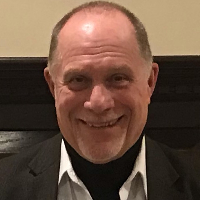
Therapist profile
David Spann, LCSW, LISW
North Carolina
LCSW LISW - Anger and trauma-focused care
Continue with DavidKey details
- CredentialsLCSW, LISW
- LicenseLCSW, North Carolina / C008137; LISW, Ohio / I.1700680
- NPI1316224470
- Experience29 years
- LanguagesEnglish
- LocationNorth Carolina
About
- CBT methods
- DBT skills
- Mindfulness practice
About David
David Spann is a Licensed Clinical Social Worker (LCSW) and a Licensed Independent Social Worker (LISW) in North Carolina with 29 years of clinical experience. He helps people dealing with anger, addiction, trauma, grief, anxiety, depression, and relationship strain. He also offers coaching for career and life-direction questions.
He draws on work in outpatient clinics, residential programs, and hospitals, including time at a Naval Hospital with active duty Marines. That background informs how he links individual problems to family stress and to workplace or community roles. He explains how trauma, mental illness, or substance use can shape daily life and relationships.
In sessions he uses practical, evidence-based tools. Cognitive Behavioral Therapy (CBT) helps spot and change unhelpful thinking. Dialectical Behavior Therapy (DBT) supplies skills for emotional regulation and distress tolerance. Mindfulness practices are used to slow reactions and increase present-moment awareness.
Attachment-based and client-centered techniques shape how he talks about relationships and goals. Motivational Interviewing is used when substance use or ambivalence about change is present. He also integrates family-systems ideas when family patterns affect a person's coping.
Outside direct clinical work he has run leadership and training programs, taught crisis intervention for law enforcement, and delivered seminars on grief, communication, boundaries, and anger management. His approach is practical and goal-focused, aimed at helping people reduce reactivity, improve communication, and increase control over day-to-day functioning.
How sessions work
How key approaches translate to online work
Attachment-based work looks at patterns in close relationships and how early bonds affect current reactions. Online sessions can be used to talk through relationship patterns and practice new ways of relating. Client-centered therapy emphasizes listening and reflecting back what matters to the client. In remote sessions that often means focused, person-led conversations that help identify values and goals. Cognitive Behavioral Therapy (CBT) breaks problems into thoughts, feelings, and actions and teaches concrete strategies to change them; it adapts well to online formats with homework and brief skill practice between sessions.Picking the right approach is part of the process. The therapist will work collaboratively to identify which methods fit a person's goals, symptoms, and everyday schedule. That may mean combining CBT skills, DBT techniques for emotion regulation, and attachment-informed ways of looking at relationships as treatment progresses.
Confirm the specific session formats before booking to know what is supported at the time. Online work can make it easier to fit therapy into a busy day, allow shorter check-ins when needed, and let people use phone-only interactions when bandwidth is limited. These practical options can help maintain consistent work on anger management, coping skills, and relationship communication without requiring major changes to daily routines.
Areas of focus
Areas of expertise
Primary focus
Also works with
Additional focus areas
Therapeutic approaches
Experience
29+ years
Listed in
North Carolina, Ohio
Languages
English
Questions
Frequently asked questions
What kinds of problems does he help with?
He works with anger, addictions, trauma and abuse, grief, anxiety, depression, relationship and intimacy issues, parenting concerns, and career or life changes.
What is his therapeutic style like?
Sessions focus on practical skills and problem-solving using CBT, DBT, mindfulness, attachment-informed and client-centered approaches.
How much clinical experience does he have?
He has 29 years of experience in outpatient, residential, and hospital settings, including work with active duty Marines at a Naval Hospital.
Which credentials and region apply?
He holds LCSW and LISW credentials and practices in North Carolina with the listed licensure NC LCSW and OH LISW.
In what language are sessions offered?
Sessions are offered in English and international clients are not currently accepted.
What session formats are available?
Confirm current session options before booking to be sure which formats are offered for initial and follow-up appointments.
How does pricing work?
Cost varies with location and sessions use a subscription that can be canceled at any time.
How do I begin the process?
Select the See online therapy options button, complete a short matching questionnaire, and schedule a first session.
Details come from information the therapist supplied to BetterHelp. A license can be checked with the state board.
Online talk therapy is not emergency care. If anyone is unsafe, use the crisis numbers.